Accommodation refers to the lodging facilities provided to guests in hotels and similar establishments. This includes rooms, suites, apartments, and other types of guest lodging.
The core product hotels sell is the guest’s place to stay. Accommodation determines room categories, rates, occupancy, and revenue. The type, quality, and condition of the accommodation directly influence guest satisfaction and review outcomes.
Managing accommodation involves tasks such as allocating rooms, scheduling housekeeping, coordinating maintenance, and preparing for guest arrivals.
When communicating with guests, it is important to provide clear information about the accommodation, including room type, amenities, and policies. This helps manage guest expectations and minimise complaints. Digital assistants and PMS integrations can automate confirmations, upsells (e.g., room upgrades), and feedback collection.
Accommodation is the central value proposition of a hotel. Effective room management ensures guest satisfaction and maximises revenue.
.avif)
Guests book a room category, and the hotel provides a matching unit with agreed services during the stay period.
It’s the hotel’s primary revenue source and central to scheduling, housekeeping, and service delivery.
Property Management Systems (PMS), Channel Managers, and Booking Engines all integrate to manage availability, pricing, and guest records
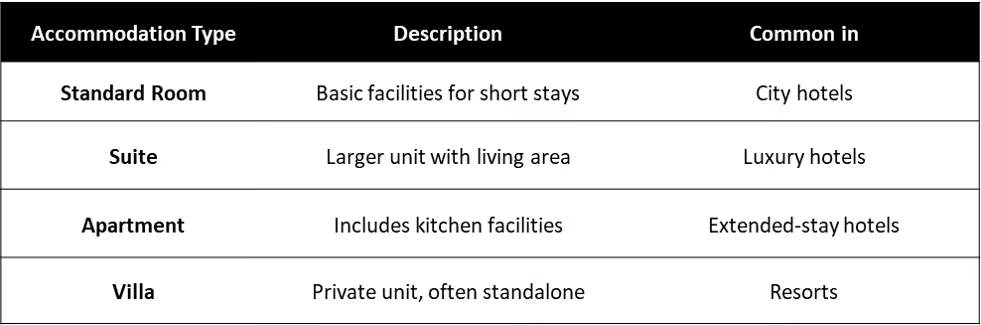
They include standard rooms, suites, apartments, villas, and specialty rooms such as family or accessible units.
By maintaining regular inspections, updating furnishings, and personalising amenities based on guest preferences.
Yes. The cleanliness, comfort, and condition of rooms are among the top factors influencing guest reviews and ratings.
.avif)
